
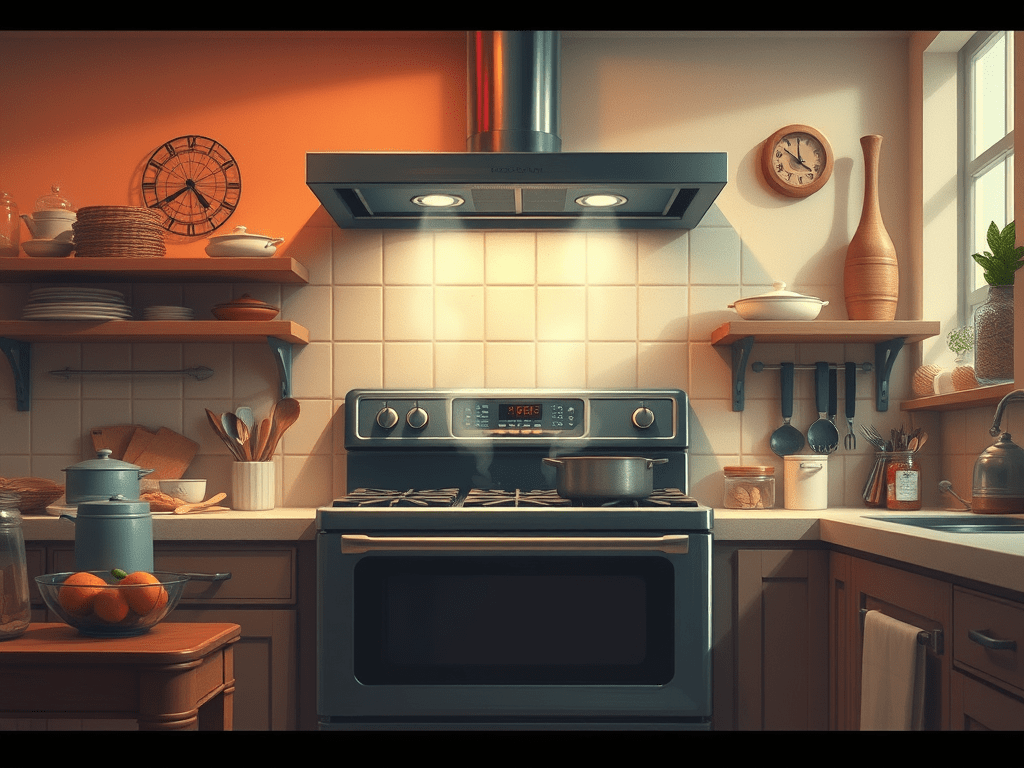
Some days, the stove looks like a mountain I don’t have the legs to climb. It stares back at me like a challenge I know I’m not ready for. Today is one of those days- the stove is staring back at me with judgment. I understand what my body needs; I know that eating well can help me manage symptoms and improve my energy—but there are times when even pouring a bowl of cereal feels like too much.
I live with an invisible disability, and that means making choices every day that others don’t see—but that weigh heavily on me nonetheless.
According to the World Health Organization, over 1.3 billion people worldwide live with some form of disability. Roughly 80% of those are considered invisible. That’s nearly a billion people grappling with chronic conditions—most of us quietly, without the outward signs that typically trigger support or understanding.
Whether it’s fatigue from fibromyalgia, brain fog from autoimmune disease, or the emotional toll of depression, meal prep can feel impossibly demanding. It requires mental clarity, physical energy, coordination, and endurance—from planning and shopping, to chopping and cooking, to standing at the stove and cleaning up afterward. Add the pressure of needing approval from family or loved ones—or simply keeping yourself afloat if you live alone—and suddenly a basic meal becomes a monumental task.
Here’s something you need to hear:
It’s okay to have off days. What matters is recognizing when they start to stack up and gently finding your way back. You’re still in control.
Most of us face this quiet battle: knowing how important a healthy diet is and struggling to meet that need when energy is low or symptoms flare. One off day won’t break you. The key is not letting those off days become your everyday.
It helps to simplify. A slice of whole grain toast with peanut butter, a bowl of yogurt and fruit, a handful of nuts, or a quick wrap with hummus and spinach—these aren’t gourmet meals, but they nourish. On harder days, that’s plenty. And when you have the energy, planning ahead makes a big difference: cook big batches, freeze portions, stock easy staples. Make meals that wait for you, not the other way around.
To the person reading this who feels defeated by a frying pan, exhausted before the stove is even turned on: you’re not lazy. You’re not failing. You’re tired—and your reasons are valid. What counts is returning to self-care when you can.
You’re doing your best. So am I. And maybe that’s enough for today.


Leave a comment